Learn More
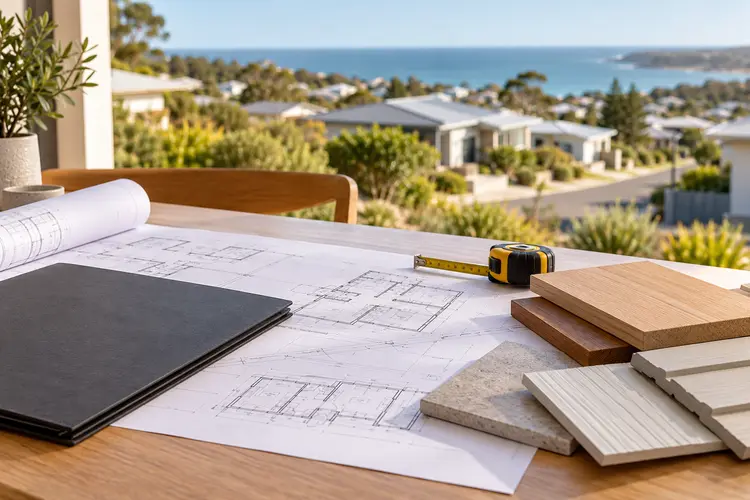
Buying a New Build in Bream Bay
A new home in Bream Bay might be complete and ready to move into, offered off plan, or sold as a section with a separate building arrangement. Those options can look similar in an advertisement, but the agreements, price inclusions, timing and responsibilities may be quite different. Before comparing the headline price, work out exactly what you would be buying and what still needs to be decided.
Ruakākā, One Tree Point and Marsden Cove each have their own residential settings. Waipu offers a village centre alongside rural and lifestyle choices, while Waipu Cove and Langs Beach bring the open coast into the picture. Explore our Ruakākā, One Tree Point and Marsden Cove, Waipu, and Waipu Cove and Langs Beach guides, then check services and site conditions for the exact address.
First, identify the arrangement
Ask who is selling the land, who will build the home and which agreements you would sign. A land purchase and a building contract may be separate, or the arrangement may be structured differently. Ask your lawyer to explain the documents, the conditions and when each commitment takes effect.
- Completed home: review the title, plans, consent and completion records, then arrange inspections of the actual property.
- Off-plan home: compare the drawings and written specifications with the finished home you expect. Clarify which selections, dimensions and features can still change.
- Section and build arrangement: establish whether the title is issued or still subject to subdivision, and what must happen before settlement or construction can proceed.
Get a current plan, a detailed inclusions schedule and a clear description of any choices still to be made. Ask how substitutions, design changes and delays are handled. A display home can help you understand a layout, but it is not evidence that every finish or feature is included in a particular offer.
Compare the whole cost, not only the advertised price
Ask the seller or builder to identify fixed prices, estimates, allowances and provisional sums. Have your lawyer and building adviser explain how each item could change and what you would need to approve.
- Site preparation: ask what is allowed for foundations, excavation, retaining, drainage, access and any work needed to connect the home to the site.
- Services: confirm the actual arrangements for water, wastewater, stormwater, power and internet, including connection work, capacity, cost and who completes it.
- Finishes and outdoor work: check flooring, appliances, heating, driveways, fencing, paths, landscaping and storage against the written specification.
- Other costs and timing: ask which council charges, professional fees, finance costs, rates, insurance and temporary accommodation should be included in your own budget.
Make a side-by-side comparison using the same assumptions for each option. Include the likely time before you can move in and the cost of living elsewhere if the build or title takes longer than expected. Do not treat a verbal estimate as a confirmed price; ask for important answers in writing.
Check the title, planning and council records
For each address, have your lawyer review the record of title and any easements, covenants, shared access or maintenance obligations. If the land is part of a new subdivision, ask what remains to be completed and how the agreement deals with title timing and outstanding works.
Whangārei District Council’s planning and zoning guidance explains how to check the rules that apply to a site. Ask your designer or planner to assess your particular proposal, including any relevant overlays or approvals. Council’s Land Information Memorandum (LIM) information explains that a LIM reports Council records for a specific property at the time it is prepared and does not include a site visit. Read it with the title, building records and independent advice; one document cannot answer every question about a property.
Use the Council’s property and building documents service to find out what records may be available. For coastal or rural sites around Bream Bay, also ask your advisers and insurer about the conditions relevant to that address, including access, ground conditions, exposure, water supply and wastewater arrangements. Do not assume a nearby site has the same services or approvals.
Read the build contract and agree how changes work
Before signing a building contract, ask an independent lawyer to review the complete document and any plans or schedules it refers to. Make sure the documents say who is responsible for each stage, what is included, what is excluded, how payments are triggered, and what happens if work or materials need to change.
Check the provisions for start and completion dates, variations, delays, insurance, inspections, defects, dispute steps and any product or workmanship warranties. Ask how progress will be recorded and who will arrange council inspections. MBIE’s guidance on building contracts explains why written terms matter and what homeowners should understand before work begins. The Real Estate Authority’s buyer and seller guides explain key property-sale documents; ask your lawyer which guidance applies to the agreement in front of you.
Plan for inspection, handover and the years after
Agree how you can check progress safely and when an independent building professional can inspect the work. Keep copies of the approved plans, consent documents, inspection records, variations, invoices, warranties and maintenance instructions. At handover, record questions and any work still to be completed, and clarify who will follow them through.
Ask for the council sign-off and completion documents that apply to the project, including a Code Compliance Certificate where one should have been issued. MBIE’s sign-off and maintenance guidance explains the owner’s role in completing a build and maintaining it. Council records and sign-off are important checks, while an independent inspection helps assess the physical condition of the home. Keep maintenance requirements in mind so you can look after the materials and systems over time.
Compare a new build with a completed home
A new build can give you a layout and finishes that suit your plans, while a completed home lets you inspect the actual rooms, site and surroundings before you commit. Each option has different costs, timing and questions to resolve. Compare both against the same household needs, total budget, services, travel routes and move-in date. Browse current Bream Bay listings, read our home buyer’s guide and land and building guide, or see what to expect when buying at auction.
Ray White Bream Bay can help you arrange viewings, understand the sale process and find information about properties we are marketing. Your lawyer, building professional, designer and insurer can give independent advice for your specific purchase. Call our office on 09 433 0334 or email breambay.nz@raywhite.com. Use the enquiry form below to tell us which part of Bream Bay you are considering and what you would like to know.